Jakarta Studies Expansion of Integrated Low Emission Zone Area
Reported by Aldi Geri Lumban Tobing | Translated by Nugroho Adibrata
The Jakarta Government continues to accelerate emission reductions in Jakarta.
It is targeted that emissions will be reduced by 30 percent by 2030
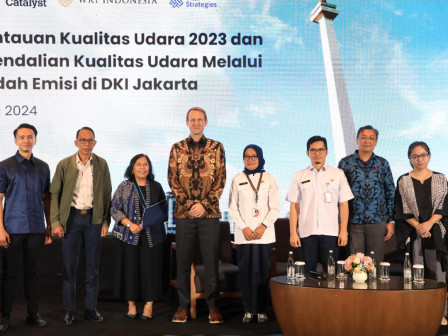
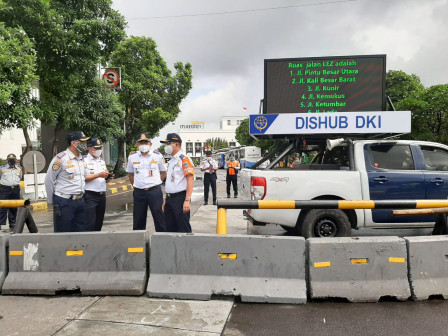
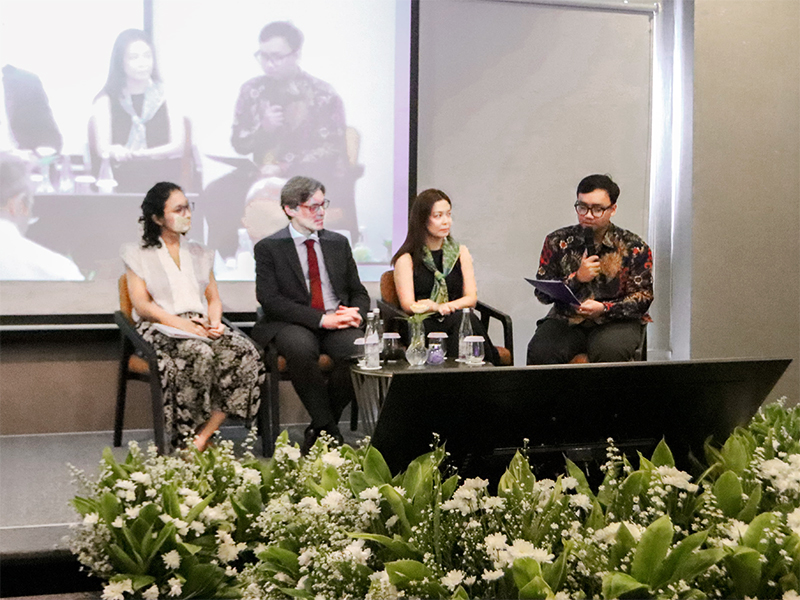
Recently, the Jakarta Government, along with various national and international institutions such as C40 Cities, Breathe Cities, and academics from Southeast Asia, is studying the expansion of the Low Emission Zone (LEZ) or Integrated Low Emission Area (KRE-T).
Development and Environmental Assistant, Afan Adriansyah Idris said the Jakarta Government is accelerating its emissions reduction targets. One of the ways is by developing integrated low-emission areas.
Jakarta to Go Dark for One Hour on April 26, 2025"It is targeted that emissions will be reduced by 30 percent by 2030. With more ambitious policies, the reduction could reach 50 percent. The ultimate goal is to achieve net zero emissions by 2050, 10 years earlier than the national target," he explained, Friday (4/25).
He explained Jakarta could learn from large cities like Buenos Aires that have successfully implemented low-emission zones gradually.
"They keep socializing and changing the behavior of the community from using private vehicles to public transportation," he explained.
Jakarta Environment Agency Head, Asep Kuswanto emphasized his commitment to supporting the expansion of integrated low-emission areas as part of the air pollution control strategy in Jakarta.
He explained that Jakarta has two low-emission areas located in Kota Tua and Tebet Eco Park as a pilot project. However, the expansion of these areas is not just about quantity but also prioritizes the principle of inclusivity so that the benefits are truly felt by the residents.
"The low-emission area itself is essentially to meet the daily mobility needs of residents while considering comfort, health, and safety. We're ready to support the necessary steps for the expansion of the low-emission area," he explained.
Direktur Center for Innovation in Transportation (CENIT), Sergi Sauri Marchan added Jakarta has implemented policies that support the KRE-T sector to encourage the creation of a city with clean air and a sustainable environment.
Jakarta has implemented various policies to control emissions, such as low emission zones, odd-even vehicle regulations, Transit-oriented Development (ToD), a ban on open burning of waste, and the Climate Village Program (ProKlim).
"To have a greater impact, there must be cross-sector collaboration and active participation from the community. Infrastructure investments such as electric vehicle charging stations and bike lanes are also important, while continuously providing ongoing education," he uttered.